- This topic is empty.
-
AuthorPosts
-
09/05/2026 at 15:47 #11039
The next evolution of emergency response technology lies in automation and intelligence. While current fire and rescue drones already provide significant operational advantages, the integration of autonomous navigation and AI-based detection is redefining how emergencies are managed.
This transformation is not incremental—it represents a shift from manual drone operation to intelligent, semi-autonomous systems capable of real-time decision support.
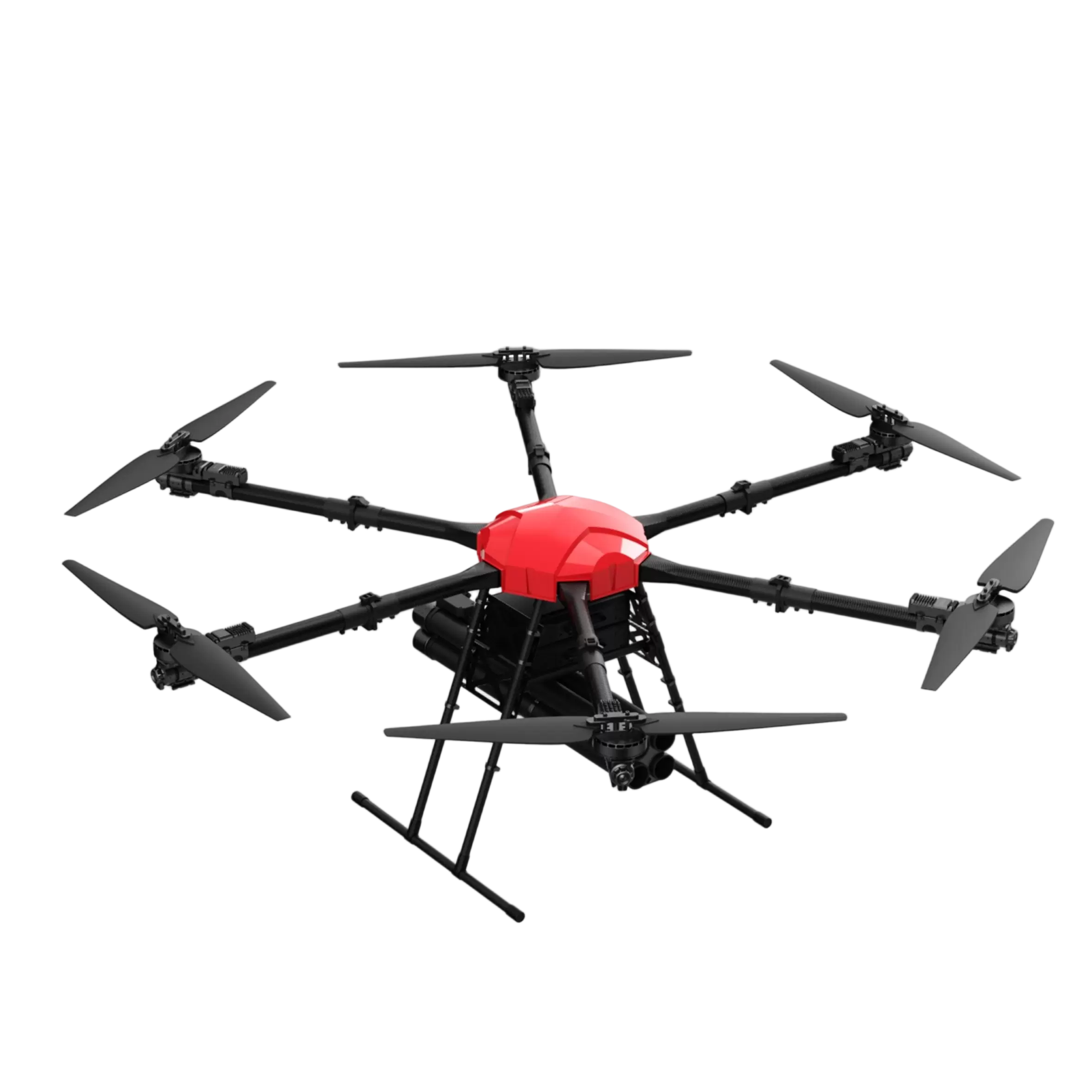
Autonomous Navigation in Complex Environments
Traditional drone operation relies heavily on manual piloting, which can be challenging in hazardous environments.
Autonomous navigation systems enable:
Pre-programmed flight paths for rapid deployment
Real-time obstacle avoidance using LiDAR or vision sensors
Navigation in GPS-denied environments such as indoor firesThese capabilities reduce operator workload and improve mission precision.
AI-Based Detection and Analysis
Artificial intelligence is increasingly integrated into fire and rescue drones for real-time data processing.
Key AI functions include:
Automatic detection of human heat signatures
Fire hotspot identification and classification
Smoke density analysis for visibility assessmentAI reduces response time by providing actionable insights without manual data interpretation.
Real-Time Data Integration with Command Systems
Modern emergency response systems require seamless data integration.
Fire and rescue drones can transmit:
Live video feeds
Thermal imaging data
Geolocation informationIntegration with command centers enables coordinated response strategies across multiple teams.
Swarm Technology and Multi-Drone Coordination
Future systems are moving toward coordinated drone operations.
Swarm technology allows multiple drones to:
Cover large areas simultaneously
Share data in real time
Coordinate search patterns for efficiencyThis approach significantly improves coverage in large-scale emergencies.
Sensor Expansion for Multi-Dimensional Detection
Beyond thermal and visual sensors, advanced drones are integrating:
Gas detection sensors for hazardous environments
Acoustic sensors for detecting human signals
Environmental sensors for temperature and humidity monitoringMulti-sensor integration provides a comprehensive situational overview.
Challenges in Autonomous Emergency Systems
Autonomous systems must address:
Data processing latency in real-time environments
Reliability under extreme conditions
Regulatory constraints for autonomous flightEngineering solutions focus on improving processing power and system robustness.
Role of Integrated Manufacturing Expertise
Jiangxi BonSure Technology Co., Ltd. integrates motor systems, drone platforms, and control technologies to develop high-performance fire and rescue drones.
System-level integration ensures:
Reliable propulsion under dynamic conditions
Stable data transmission
Scalable platform architecture for future upgrades
Conclusion
fire and rescue drones are evolving from manually operated tools into intelligent, autonomous systems capable of transforming emergency response.
Advancements in AI, navigation, and multi-sensor integration are enabling faster, safer, and more effective operations.
With continued innovation, these systems will play an increasingly central role in managing complex emergency scenarios across urban, industrial, and natural environments.
https://www.r-nightvision.com/
Jiangxi BonSure Technology Co. , Ltd. -
AuthorPosts

- You must be logged in to reply to this topic.