- This topic is empty.
-
AuthorPosts
-
20/11/2026 at 13:37 #13155
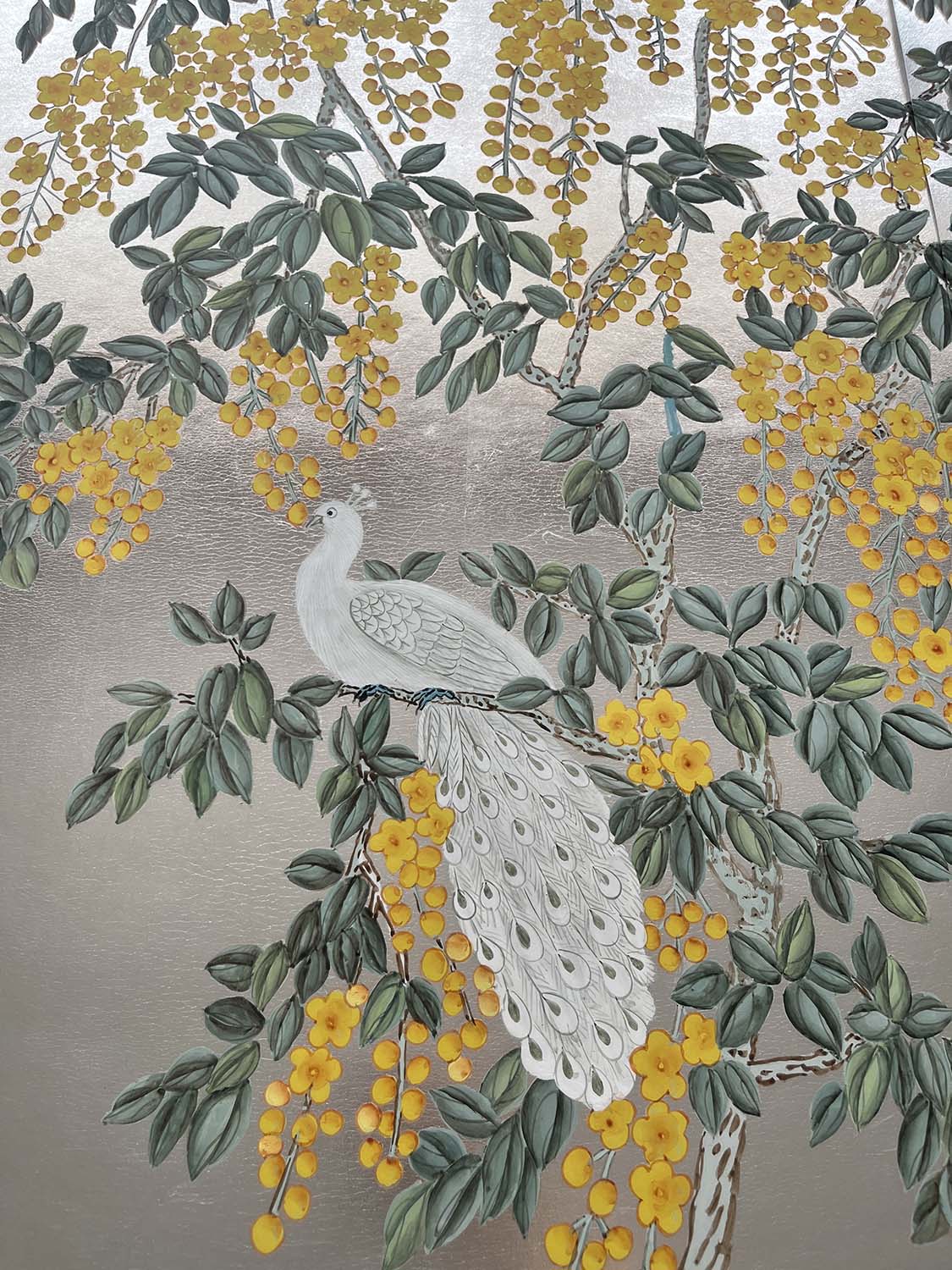
Finding a reliable wallpaper manufacturer is an important step for interior designers, architects, distributors, wholesalers, and businesses involved in luxury interior decoration. When a project requires distinctive materials and refined decorative details, embroidered silk wallpaper can be an appealing choice. Its combination of silk-based textures and decorative embroidery brings depth and visual character to interior walls, making it suitable for upscale residential spaces, boutique hotels, premium apartments, and commercial interiors.
However, sourcing high-quality embroidered silk wallpaper involves more than finding a supplier with attractive product photographs. Buyers need to evaluate material specifications, embroidery craftsmanship, manufacturing capabilities, product consistency, customization services, and delivery arrangements. A supplier may offer an extensive product catalog, but that does not necessarily mean it can meet the quality and production requirements of a particular project.
For international buyers, these considerations become even more important because communication, sample approval, production management, and shipping arrangements may involve multiple stages.
So, how can you identify a reliable embroidered silk wallpaper manufacturer? This guide explains the key factors to evaluate, the questions to ask, and the common sourcing mistakes to avoid when selecting a manufacturing partner.
1. Understand Your Product Requirements Before Searching for a Manufacturer
Before contacting potential manufacturers, clearly define what you need. Different interior projects may require different silk materials, embroidery patterns, colors, backing constructions, and product dimensions.
Without clear specifications, it can be difficult to compare manufacturers accurately or determine whether their products are suitable for your application.
Start by identifying several basic requirements.
Product type: Determine whether you need embroidered silk fabric wallcoverings, silk-based decorative wallpaper, or another type of textile wallcovering featuring embroidered details.
Design preferences: Identify the preferred patterns, including floral, botanical, geometric, abstract, or traditional decorative motifs.
Color requirements: Consider the main surface color, embroidery thread colors, and their relationship with the overall interior design.
Material construction: Ask whether the product uses natural silk, silk blends, or other textile compositions. Also clarify the backing material and surface treatment.
Application environment: Define whether the wallpaper will be used in residential interiors, hotels, hospitality projects, reception areas, or other commercial spaces.
Order quantity: Estimate the required wall area and potential material waste to establish a realistic purchasing quantity.
Having these details ready will make supplier communication more efficient. It also helps manufacturers recommend suitable embroidered silk wallpaper products rather than providing general catalogs that may not match your requirements.
2. Look for Manufacturers with Relevant Industry Experience
Manufacturing experience is an important factor when evaluating a potential supplier. Producing decorative textile wallcoverings requires knowledge of materials, pattern development, embroidery techniques, finishing processes, and quality management.
A manufacturer with relevant experience may be better equipped to understand the technical and aesthetic requirements of different interior projects.
However, general wallpaper manufacturing experience is not necessarily the same as experience in embroidered silk wallcoverings.
When researching potential suppliers, look for evidence of their involvement in related product categories.
Review Their Product Portfolio
A professional embroidered silk wallpaper manufacturer should be able to present clear information about its available designs and product characteristics.
Review the product portfolio to understand whether the supplier offers:
-
Different embroidered patterns and decorative styles.
-
Multiple color combinations and surface finishes.
-
Various textile compositions and backing options.
-
Products suitable for different interior applications.
-
Custom design or project-specific development services.
A diverse portfolio can indicate that the manufacturer understands different decorative requirements and has experience working with various product specifications.
Examine Previous Projects
Previous projects provide useful information about how products perform in actual interior environments.
Ask whether the manufacturer can share project references, installation photographs, or examples of completed hospitality and residential applications.
Pay attention to how the embroidery patterns appear across larger wall surfaces, whether the colors remain visually consistent, and how the wallcoverings coordinate with surrounding decorative materials.
These examples can help you determine whether the manufacturer's design capabilities align with your project expectations.
3. Evaluate the Quality of Silk Materials
Material quality directly affects the appearance and performance of embroidered silk wallpaper. Even well-designed embroidery may not produce a satisfactory result if the underlying fabric is inconsistent or unsuitable for the intended application.
For this reason, buyers should examine the material composition and construction before placing a large order.
Confirm the Actual Material Composition
The term silk wallpaper can describe different types of products. Some wallcoverings use natural silk fibers, while others may incorporate silk blends or alternative textile materials.
Do not assume that every product marketed as silk wallpaper has the same composition.
Ask the manufacturer to provide:
-
Fiber composition and material specifications.
-
Fabric thickness or weight, where applicable.
-
Backing material information.
-
Surface treatment details.
-
Available product dimensions.
-
Recommended installation conditions.
This information makes it easier to compare products from different suppliers and determine whether the material meets your expectations.
Inspect Surface Consistency
The silk surface should be examined for visible defects, uneven coloration, and irregular texture.
Depending on the product construction, variations in fabric texture may be part of its natural appearance. However, unexpected differences between panels or production batches should be discussed with the supplier.
For large projects, request samples from the intended production specification rather than relying exclusively on catalog photographs.
Evaluate the Backing Material
The backing is another important part of the product structure.
It can influence the wallcovering's handling characteristics, installation requirements, and dimensional stability. Buyers should understand whether the backing is paper-based, textile-based, or made from another material.
The manufacturer should also be able to explain the recommended adhesive and installation method for the specific product.
4. Examine Embroidery Craftsmanship and Manufacturing Details
Embroidery is one of the defining features of embroidered silk wallpaper. Its quality influences the decorative effect, surface texture, and overall presentation of the finished wallcovering.
A reliable manufacturer should be able to explain its embroidery processes and demonstrate consistent workmanship.
Check Stitching Precision
Inspect the embroidery closely to determine whether the stitching is neat and consistent.
Important details include:
-
Uniform stitch density.
-
Clear pattern outlines.
-
Consistent thread placement.
-
Securely attached decorative threads.
-
Clean finishing around pattern edges.
-
Consistent embroidery depth and texture.
Loose threads, uneven stitching, or poorly finished areas may become more noticeable when the material is installed across a large wall.
Evaluate Pattern Alignment
Pattern alignment is particularly important for embroidered silk wallpaper with repeating floral, geometric, or symmetrical designs.
Adjacent panels should be able to connect naturally when installed according to the specified pattern repeat.
Ask the manufacturer to explain the pattern repeat measurements and whether the product requires straight matching or offset matching.
For customized designs, confirm that the manufacturer can provide accurate layout information before production.
Understand the Production Process
Different manufacturers may use different embroidery equipment, techniques, and finishing processes.
Some designs may involve machine embroidery, while others may incorporate specialized decorative techniques. The appropriate process depends on the design, materials, and intended product characteristics.
Rather than assuming that one technique is always superior, evaluate whether the manufacturer's process can consistently achieve the required appearance and quality.
5. Request Physical Samples Before Placing an Order
One of the most effective ways to evaluate an embroidered silk wallpaper manufacturer is to request physical product samples.
Online images are useful for initial screening, but they cannot fully communicate the texture, thread details, material thickness, or actual color of a wallcovering.
A sample evaluation should cover several aspects.
Color accuracy: Compare the actual sample with your interior design references and approved color palette.
Surface texture: Examine the silk fabric and determine whether its texture matches the desired decorative effect.
Embroidery details: Check thread quality, stitching precision, pattern definition, and finishing.
Backing construction: Inspect the reverse side to understand the product structure.
Overall consistency: If multiple samples are available, compare their colors, patterns, and surface characteristics.
For hotel developments, residential projects, and other large installations, it is also advisable to prepare a physical mock-up using the actual wall materials and lighting conditions.
This provides a more realistic indication of the final appearance before confirming the full order.
6. Check the Manufacturer's Customization Capabilities
Standard collections are suitable for many projects, but some buyers require customized embroidered silk wallpaper to meet specific interior design requirements.
For example, a hotel may need decorative wallcoverings that coordinate with its brand identity, furniture, and architectural concept. An interior design company may also need exclusive patterns or specific color combinations.
A manufacturer with flexible customization capabilities can provide more options during the product development process.
Custom Pattern Development
Ask whether the manufacturer can adjust existing embroidery designs or develop new patterns based on your references.
Customization may include:
-
Floral and botanical motif adjustments.
-
Geometric pattern modifications.
-
Traditional decorative designs.
-
Contemporary abstract compositions.
-
Pattern scale and arrangement changes.
It is important to confirm whether the manufacturer can translate a design concept into a technically suitable embroidery pattern.
Color Customization
Color coordination is another important requirement for customized wallcoverings.
Depending on production capabilities, buyers may be able to select different silk surface colors and embroidery thread combinations.
For example, champagne-colored fabric with gold embroidery may suit classic luxury interiors, while gray fabric with subtle silver details may complement contemporary spaces.
Request a color sample or pre-production approval sample before confirming the order.
Product Specification Adjustments
Some projects may require specific panel widths, backing materials, or other product construction details.
Ask the manufacturer which specifications can be customized and whether these adjustments will influence production lead times or minimum order quantities.
Clear communication at this stage helps prevent misunderstandings during manufacturing.
7. Evaluate Production Capacity and Quality Control
A manufacturer's ability to produce attractive samples does not automatically guarantee consistent quality across a large order.
For distributors, wholesalers, and commercial project buyers, production capacity and quality control are essential considerations.
Understand Production Capabilities
Ask the supplier about its manufacturing arrangements and whether production is handled in-house or through external partners.
Depending on the project, useful information may include:
-
Manufacturing facilities and equipment.
-
Available production processes.
-
Typical production lead times.
-
Monthly or project-based production capacity.
-
Experience with customized orders.
-
Ability to handle repeat orders.
A suitable embroidered silk wallpaper manufacturer should be able to explain how it manages orders and communicates production progress.
Review Quality Inspection Procedures
Quality control should cover more than the final visual inspection.
Ask whether the manufacturer checks raw materials, embroidery workmanship, color consistency, backing construction, and finished product dimensions.
For larger orders, it is useful to establish clear acceptance criteria before production begins.
These may include:
Quality Control Item
Inspection Focus
Material quality
Fabric composition and surface consistency
Embroidery
Stitching precision and thread security
Color
Consistency with the approved sample
Pattern
Repeat accuracy and alignment
Backing
Construction and finishing
Dimensions
Roll or panel specifications
Packaging
Protection against handling and transportation damage
A clearly defined inspection process makes it easier for both parties to understand product expectations and reduce quality-related disputes.
8. Review Certifications and Product Compliance Requirements
For international sourcing, product compliance should be considered according to the destination market and project application.
Different countries, building types, and commercial environments may have specific requirements for interior wallcoverings.
For example, some hospitality and commercial projects may require documentation related to fire performance or other building material standards.
However, not every certification applies to every type of embroidered silk wallpaper.
When evaluating a manufacturer, ask whether it can provide relevant product test reports, technical documentation, and compliance information where applicable.
Important considerations may include:
-
Fire-performance requirements for the intended installation.
-
Material composition declarations.
-
Applicable environmental or chemical compliance documentation.
-
Product safety information.
-
Installation and maintenance instructions.
Do not rely solely on general statements such as certified factory or international quality standards. Confirm whether the documentation applies to the actual product being purchased.
For projects with strict technical requirements, provide the specifications to the manufacturer before ordering so that product suitability can be evaluated in advance.
Conclusion: Choose an Embroidered Silk Wallpaper Manufacturer That Understands Your Needs
Finding a reliable embroidered silk wallpaper manufacturer requires a careful evaluation of product quality, embroidery craftsmanship, customization capabilities, production management, and supplier communication. Before making a purchasing decision, take the time to review material specifications, inspect physical samples, clarify technical requirements, and confirm that the manufacturer can maintain consistent quality throughout the order.
For interior designers, distributors, architects, and commercial buyers, the right manufacturing partner should offer more than attractive designs. Product knowledge, dependable production arrangements, and an understanding of different interior applications are equally important.
Ecwallpaper is a brand to explore when sourcing decorative wallcoverings for residential and commercial interior projects. By considering design requirements, material details, and project-specific needs from the beginning, buyers can make more informed sourcing decisions and find embroidered silk wallpaper solutions that complement their interior concepts.
http://www.ecwallpaper.com
ecwallpaper -
-
AuthorPosts

- You must be logged in to reply to this topic.