- This topic is empty.
-
AuthorPosts
-
20/11/2026 at 17:05 #13172
Cork Wallpaper is becoming an attractive option for interior wall decoration because it combines the natural texture of cork with the practical requirements of modern decorative materials. For residential interiors, hospitality projects, offices, retail spaces, and commercial environments, it offers a distinctive alternative to conventional printed wallpaper, paint, and other wall coverings. However, selecting the right Cork Wallpaper involves more than appearance. Material composition, surface consistency, backing structure, installation conditions, and long-term maintenance all influence the final result.
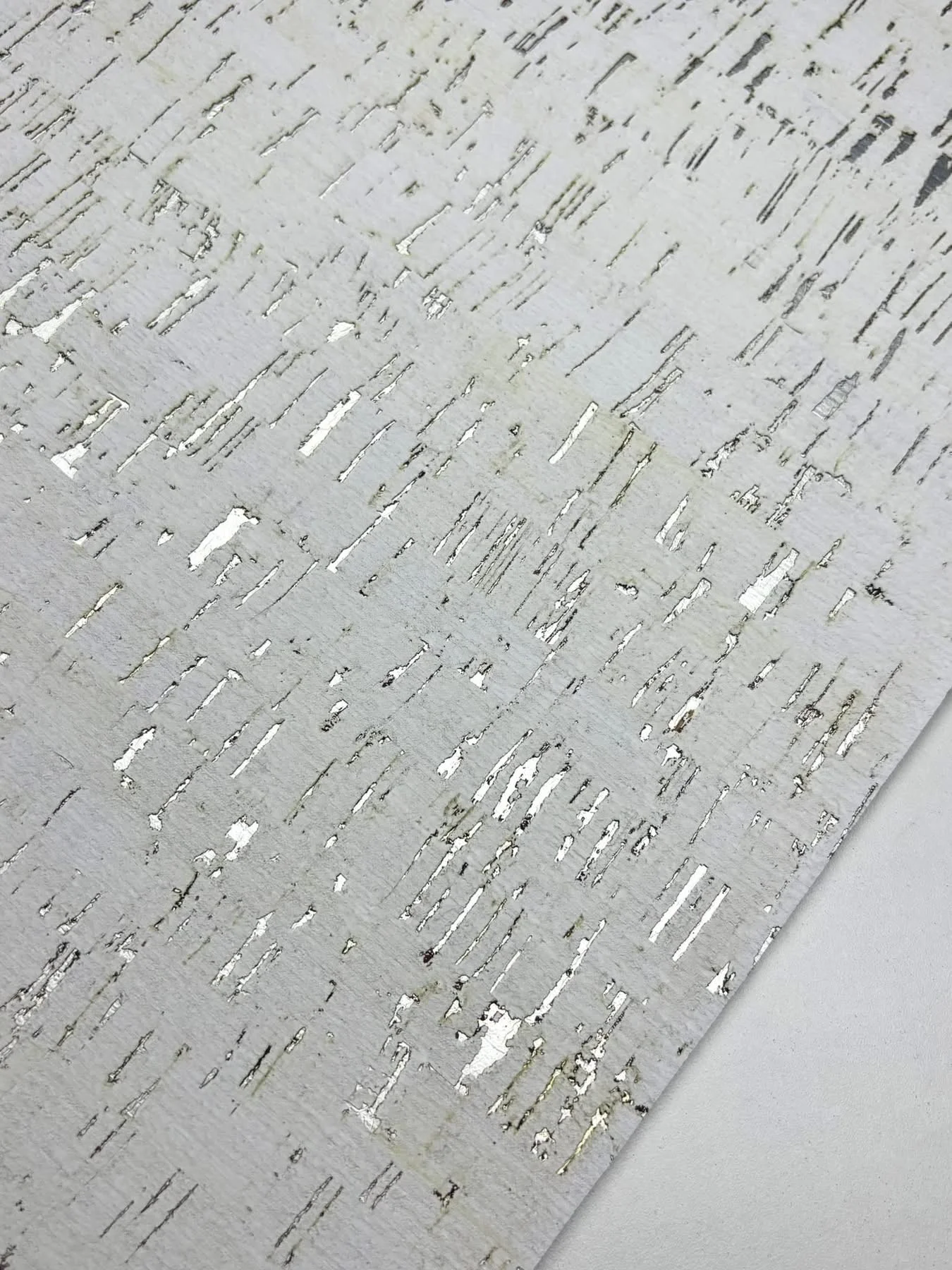
For manufacturers, distributors, and decorative material suppliers, understanding these technical factors helps ensure that Cork Wallpaper meets both design expectations and application requirements. ALFA, founded in 2015, specializes in the development, production, and sales of sign, graphics, and decorative materials. With production bases in Jiangsu and Guangdong, the company emphasizes technology development and environmentally conscious product innovation, supporting the evolving needs of the decorative materials market.
Understanding the Material Structure of Cork Wallpaper
Cork Wallpaper is generally produced using natural cork particles, cork veneer, or cork-based decorative layers combined with a suitable backing material. Depending on the product design, the surface may retain the irregular grain and color variations of natural cork or use a more controlled arrangement to achieve a consistent decorative effect. These differences influence not only visual performance but also production requirements, installation methods, and product positioning.
Natural cork has a cellular structure that contributes to its lightweight character and distinctive tactile qualities. Its surface may display variations in grain size, color, and texture, creating a warm, organic appearance that is difficult to reproduce with conventional printed wall coverings. For projects requiring a natural aesthetic, these variations can be a design advantage. However, manufacturers must maintain reasonable consistency in particle distribution, surface bonding, and finished thickness to ensure that the installed wall does not appear excessively uneven.
The backing layer is equally important. Depending on the construction, a backing may improve dimensional stability, facilitate handling, or support compatibility with specific adhesive and installation systems. A product intended for large commercial walls may require different handling and consistency characteristics from one designed for small residential feature walls. Therefore, the complete material structure should be evaluated rather than judging performance from the cork surface alone.
Key Performance Factors When Selecting Cork Wallpaper
Surface quality is one of the first factors to evaluate. Cork particles should be distributed appropriately for the intended design, with no unacceptable gaps, loose fragments, or visible bonding defects. Natural materials will inevitably show some variation, so acceptance criteria should distinguish between inherent material characteristics and manufacturing defects. Establishing approved samples and clear tolerances before production helps reduce disagreements during inspection and project delivery.
Dimensional stability is another important consideration. Wall coverings may experience changes in temperature and humidity during storage, transportation, installation, and use. If the backing or adhesive system responds differently to environmental changes, the finished material may develop curling edges, open seams, or localized deformation. For projects in humid climates or buildings with fluctuating indoor conditions, it is advisable to review the manufacturer's technical specifications and installation recommendations before selecting a product.
Adhesion performance also deserves attention. The bond between the cork layer and backing must remain stable during normal handling and installation. At the same time, the installed wall covering depends on the compatibility of the adhesive, substrate, and environmental conditions. A properly manufactured product cannot compensate for a dusty wall, excessive substrate moisture, an unsuitable adhesive, or insufficient curing time. Material selection and installation preparation should therefore be treated as parts of the same system.
Abrasion resistance and cleanability depend on the surface construction and any protective treatment applied. A decorative wall in a private bedroom has different maintenance demands from a wall in a hotel corridor, restaurant, or retail environment. Cork Wallpaper with a more open, textured surface may require gentler cleaning than a product with a suitable protective finish. Before specification, confirm the permitted cleaning methods, resistance to routine contact, and any limitations associated with surface coatings.
Fire performance, emissions, and other regulatory requirements must also be assessed according to the project location and building type. Natural cork content alone does not establish that a finished wall covering meets a particular fire classification or indoor air quality standard. Test results should correspond to the actual product construction, including the backing, adhesive system where applicable, and relevant installation conditions.
Cork Wallpaper vs. Conventional Wallpaper
The choice between Cork Wallpaper and conventional wallpaper depends on the priorities of the application rather than on a universal performance ranking.
Conventional printed wallpaper provides extensive control over colors, patterns, and repeat designs. It can be suitable for projects requiring precise visual consistency across large areas or frequent changes in decorative style. Cork Wallpaper, by comparison, offers a tactile, three-dimensional appearance and natural material variation. Its visual identity is based more on texture and material character than on printed graphics alone.
Compared with standard paint, Cork Wallpaper introduces additional surface depth and can create a more distinctive feature wall without relying on complex decorative painting techniques. However, paint generally allows easier localized repair and may be more practical where frequent cleaning or frequent color changes are expected. Cork Wallpaper requires greater attention to seam alignment, substrate flatness, and material handling, especially when the design emphasizes natural grain continuity.
The cost comparison should include more than the purchase price per square meter. Material yield, cutting waste, adhesive requirements, installation labor, maintenance procedures, and replacement difficulty can all affect the total installed cost. For projects with repeated wall sections, a consistent supply of matching material may be particularly important. Natural cork variations should be discussed in advance so that the finished installation aligns with the approved visual expectations.
Where Cork Wallpaper Works Best
Residential interiors are a natural application for Cork Wallpaper. Bedrooms, living rooms, studies, and selected feature walls can benefit from its warm texture and understated appearance. In these settings, tactile quality and visual comfort may be more important than resistance to heavy contact. Product selection should still account for cleaning requirements, sunlight exposure, and the condition of the wall substrate.
Hotels, boutique accommodation, and hospitality interiors often use decorative wall coverings to create a recognizable visual identity. Cork Wallpaper can support natural, contemporary, or minimalist design concepts while providing a surface that differs from standard printed finishes. For guest rooms and public areas, the specification should also consider fire regulations, cleaning frequency, expected service life, and the feasibility of replacing damaged sections.
Retail stores, offices, studios, and showrooms may use Cork Wallpaper to establish a distinctive brand environment. In these applications, the material should be evaluated against lighting conditions, furniture placement, contact frequency, and the visual consistency required across multiple locations. A finish that works well behind a reception desk may not be suitable for a narrow corridor exposed to repeated impacts and cleaning.
Commercial projects involving multiple rooms or sites should also consider batch consistency and repeat-order availability. Differences in natural cork tone and texture can become more noticeable when material is installed across connected walls. Reviewing production samples and agreeing on acceptable variation ranges can reduce the risk of unexpected visual differences during installation.
Installation and Quality Control Considerations
Successful Cork Wallpaper installation starts with substrate preparation. The wall should be sufficiently smooth, clean, dry, and structurally sound for the specified installation system. Loose paint, dust, grease, and other contaminants can interfere with adhesion, while excessive moisture may affect the backing or bonding layer. Where necessary, installers should verify substrate moisture and use a compatible primer according to the product manufacturer's instructions.
Before full installation, a small trial area can help confirm adhesive compatibility, handling behavior, seam appearance, and the final visual effect under actual lighting. Material should be inspected before cutting, and rolls or panels should be checked for visible defects and significant differences in color or texture. If the design relies on consistent grain direction, installers should follow the agreed orientation throughout the wall.
Environmental conditions during installation and curing should remain within the manufacturer's recommended range. Adhesive application, open time, positioning, and pressure should follow the specified procedure rather than a generic wallpaper installation method. These controls help minimize bubbles, edge lifting, uneven joints, and other defects that may become apparent only after the material has been installed.
For larger projects, incoming inspection and installation records provide useful traceability. Documenting product batches, substrate preparation, adhesive selection, and installation conditions makes it easier to identify the source of problems and maintain consistency across multiple locations.
How to Evaluate a Cork Wallpaper Manufacturer
A reliable Cork Wallpaper manufacturer should demonstrate control over material sourcing, surface processing, backing construction, and finished-product inspection. Buyers should request representative samples, product specifications, recommended installation procedures, and applicable test documentation. Where a project has special fire, emissions, or durability requirements, those requirements should be confirmed before production rather than addressed after delivery.
Manufacturing flexibility is another consideration. Decorative projects may require different textures, dimensions, surface effects, or backing configurations. The manufacturer's ability to maintain stable quality while accommodating agreed specifications can be more valuable than offering a broad but poorly controlled product range.
Supply capability matters when projects require repeat orders or delivery to several locations. Production planning, batch identification, packaging protection, and communication about natural material variation all contribute to a predictable supply process. For distributors and decorative material brands, these factors also influence customer satisfaction after installation.
ALFA's experience in decorative materials development and production provides a foundation for serving changing market requirements. Established in 2015, the company operates production bases in Jiangsu and Guangdong and focuses on technology development alongside environmentally conscious product innovation. When evaluating Cork Wallpaper or related decorative materials, customers can use product samples, technical requirements, and project-specific specifications as the basis for discussing material suitability and manufacturing needs.
Conclusion
Cork Wallpaper offers a distinctive combination of natural texture, decorative depth, and design flexibility, making it suitable for selected residential, hospitality, retail, and commercial interiors. Its performance depends on the complete material construction, including cork surface quality, backing stability, adhesion compatibility, maintenance requirements, and compliance with applicable building standards.
The most effective selection process begins with the intended application and evaluates the product against measurable requirements rather than appearance alone. By confirming specifications, reviewing samples, testing installation compatibility, and establishing clear quality criteria, project teams can reduce installation risks and achieve more consistent results. For businesses sourcing Cork Wallpaper, a manufacturer with established production capabilities, technical communication, and reliable quality control can help turn a decorative concept into a practical, repeatable wall-covering solution.
http://www.alfamaterials.com
ALFA Co., Ltd. -
AuthorPosts

- You must be logged in to reply to this topic.