- This topic is empty.
-
AuthorPosts
-
22/09/2026 at 18:01 #12436
Urban drainage networks work continuously beneath roads and buildings, transporting stormwater and wastewater away from residential properties, commercial facilities, and industrial sites. Since most drainage pipes are installed underground, deterioration can remain hidden for years. By the time a problem becomes visible on the surface, it may already have caused flooding, ground subsidence, unpleasant smells, or even environmental damage.
Modern CCTV pipe inspection technology provides a practical way to examine underground pipelines without extensive excavation. Using remotely operated cameras, inspection teams can view the internal condition of drainage pipes, locate defects, and collect information for future maintenance and rehabilitation.
For municipal authorities, industrial operators, property managers, and drainage contractors, knowing what problems are commonly identified during CCTV inspections can make it easier to plan maintenance before minor defects develop into major infrastructure failures.
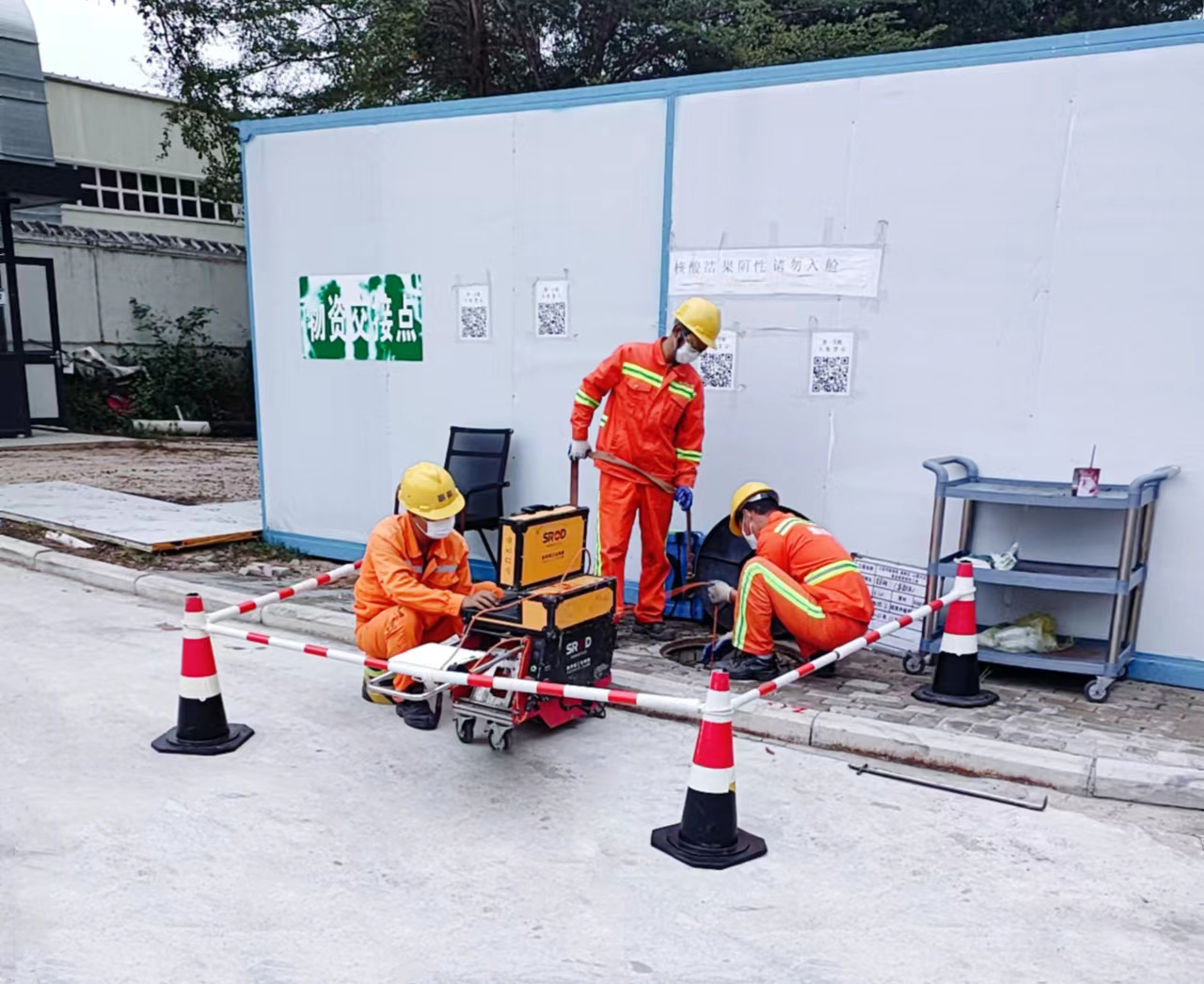
Why CCTV Inspection Is Important for Drainage Pipelines
In the past, underground pipeline problems were often investigated through excavation or based on indirect signs such as slow drainage, flooding, or unusual odors. These methods could be disruptive and did not always provide a complete picture of the pipeline's internal condition.
Today, CCTV inspection provides a more direct approach. A high-definition camera installed on a remotely controlled crawler can travel through the pipe while transmitting live images to operators on the surface. This allows inspection teams to identify defects and determine their location without unnecessarily opening roads or excavating surrounding areas.
A professional CCTV inspection can help maintenance teams:
-
Detect structural defects at an early stage
-
Locate blockages and obstructions
-
Evaluate the actual condition of underground pipelines
-
Identify sections requiring urgent attention
-
Develop more targeted maintenance plans
-
Reduce unnecessary excavation and repair costs
-
Minimize disruption to roads, buildings, and nearby communities
For large municipal drainage networks, this type of visual inspection provides important information for long-term asset management.
1. Cracks and Fractures in Pipe Walls
Cracking is one of the most common defects revealed during pipeline inspections.
Pipe walls can develop cracks for a variety of reasons, including:
-
Ground settlement
-
Heavy vehicle and traffic loads
-
Natural aging
-
Freeze-thaw conditions
-
Improper installation
-
Soil movement
Small cracks may not immediately affect drainage performance, but they can provide pathways for groundwater and create openings through which tree roots can enter. If the underlying cause is not addressed, cracks may gradually become wider and compromise the structural strength of the pipe.
During a CCTV inspection, operators can document the location and severity of cracks. Based on these findings, engineers can determine whether the affected section should simply be monitored, rehabilitated, or replaced.
2. Displaced or Damaged Pipe Joints
Most drainage pipelines consist of multiple sections joined together. Over time, changes in soil conditions can cause these connections to shift from their original positions.
Joint problems may appear as:
-
Offset joints
-
Open joints
-
Misalignment
-
Partial separation
These defects can allow groundwater and soil to enter the pipeline. They may also create favorable conditions for root intrusion and debris accumulation.
Even relatively small joint displacement can affect the hydraulic performance of a drainage system. CCTV footage makes it possible to evaluate the actual condition of each connection and select an appropriate repair or rehabilitation method.
3. Tree Root Intrusion
Roots naturally grow toward sources of moisture, making damaged or poorly sealed pipe joints attractive entry points.
During inspections, operators may find:
-
Small roots entering through joints
-
Extensive root masses
-
Reduced internal flow space
-
Increased deposits around affected areas
Root intrusion is particularly common in older concrete, clay, and similar drainage systems.
Once inside a pipeline, roots can continue growing and gradually form dense blockages. They may also contribute to further joint damage. Regular CCTV inspection allows these problems to be identified while they are still manageable, reducing the likelihood of major blockages and expensive repairs.
4. Sediment, Sand, and Silt Deposits
Stormwater drainage systems frequently transport soil, sand, gravel, leaves, and other materials. When the flow rate becomes insufficient to carry these materials through the system, they settle along the bottom of the pipe.
Significant sediment accumulation can:
-
Reduce the effective flow area
-
Decrease drainage capacity
-
Increase the possibility of flooding
-
Conceal defects from routine visual observation
-
Contribute to long-term pipeline deterioration
CCTV inspection provides a clear view of the amount and distribution of sediment inside the pipeline. Maintenance teams can then determine whether cleaning is necessary and which sections should receive priority.
5. Grease and Fat Buildup
Grease accumulation is a frequent issue in wastewater pipelines serving restaurants, commercial kitchens, food-processing plants, and other facilities where fats and oils enter the drainage system.
Over time, grease can combine with:
-
Food particles
-
Soap residues
-
Mineral deposits
-
General wastewater debris
This combination gradually forms thick deposits along the internal pipe wall. As the buildup increases, the available flow area becomes smaller and the risk of blockage rises.
Routine CCTV inspections can reveal grease accumulation before a complete blockage occurs. Early identification allows cleaning work to be scheduled before the problem develops into an emergency.
6. Pipe Deformation
Flexible plastic drainage pipes can change shape when they are affected by inadequate bedding, excessive external loading, installation problems, or ground settlement.
Typical deformation may include:
-
Oval-shaped pipe sections
-
Flattened areas
-
Localized wall buckling
Even when a deformed pipe remains open, its reduced cross-sectional area can affect hydraulic performance. Severe deformation may eventually compromise the structural integrity of the pipeline.
High-definition CCTV equipment enables inspectors to identify and document these changes, helping engineers determine the severity of the deformation and select an appropriate maintenance strategy.
7. Internal Corrosion and Material Deterioration
Pipelines exposed to wastewater and aggressive chemical environments can gradually deteriorate. Both metal and concrete drainage structures may experience material loss over extended periods.
Potential causes include:
-
Hydrogen sulfide exposure
-
Chemical reactions
-
Industrial wastewater
-
Prolonged moisture exposure
-
Aggressive wastewater conditions
During CCTV inspections, corrosion-related conditions may appear as surface deterioration, scaling, exposed reinforcement, rust, erosion, or loss of pipe material.
Finding these signs early gives infrastructure managers more time to evaluate rehabilitation options before deterioration develops into a major structural problem.
8. Infiltration and Exfiltration
Damaged drainage pipelines can allow water to move between the pipe and the surrounding ground. This problem generally occurs in two forms: infiltration and exfiltration.
Infiltration
Infiltration occurs when groundwater enters the drainage pipeline through cracks, defective joints, or other openings.
Excessive groundwater entering a sewer system may result in:
-
Higher wastewater treatment volumes
-
Reduced available sewer capacity
-
Additional pump loads
-
Increased operating costs
Exfiltration
Exfiltration occurs when wastewater escapes from the pipeline into the surrounding soil.
Potential consequences include:
-
Soil contamination
-
Environmental pollution
-
Ground erosion
-
Localized subsidence or sinkhole formation
CCTV inspection helps identify suspicious openings and damaged sections so that repair teams can investigate and address the source more efficiently.
9. Foreign Objects and Other Obstructions
Pipeline inspections often reveal unexpected materials that restrict normal water flow.
Examples can include:
-
Construction waste
-
Bricks
-
Concrete pieces
-
Plastic objects
-
Accumulated debris
-
Sections of collapsed pipe
-
Other foreign materials
Even when an obstruction does not completely block the pipeline, it can reduce flow efficiency and encourage additional sediment to collect around it.
Inspection footage allows maintenance crews to understand the type, size, and location of an obstruction before carrying out cleaning or removal work. This helps them prepare the appropriate equipment and reduce unnecessary site operations.
10. Partial or Complete Pipe Collapse
Pipe collapse represents one of the more severe conditions that may be discovered during a CCTV inspection.
Possible causes include:
-
Advanced corrosion
-
Long-term ground movement
-
Heavy external loading
-
Aging infrastructure
-
Structural deterioration
-
Failed or unsuitable previous repairs
A collapsed section can significantly restrict drainage flow and may lead to wastewater backups, surface flooding, or other operational problems.
When CCTV inspection identifies a collapsed or severely damaged section, maintenance teams can assess its location and extent and determine whether urgent rehabilitation or replacement is required.
11. Defective Service Connections
Connections between main drainage pipes and lateral lines can also become sources of problems.
Common connection defects include:
-
Unauthorized or poorly installed connections
-
Oversized or incorrectly cut openings
-
Misaligned lateral pipes
-
Damaged branch connections
Poorly constructed connections can disturb water flow and create areas where debris accumulates. In some cases, they may also contribute to leakage or structural deterioration.
CCTV inspection provides visual information that helps engineers understand the condition of these connections and plan corrective work more accurately.
12. Cross Connections Between Drainage Systems
In some drainage networks, stormwater and sanitary wastewater systems may become incorrectly connected. These cross connections can be difficult to identify through surface observation alone.
Potential consequences include:
-
Increased sewer overflow risk
-
Additional loads on wastewater treatment facilities
-
Environmental contamination
-
Problems with drainage system performance
-
Compliance concerns
Systematic CCTV inspection can help locate these hidden connections and provide useful evidence for further investigation and corrective action.
Why Professional Inspection Experience Still Matters
Advanced cameras and inspection equipment are important, but technology alone does not guarantee an accurate assessment.
Reliable pipeline inspection also requires experienced operators who understand:
-
Proper camera operation and positioning
-
Pipeline defect identification
-
Different pipe materials and structures
-
Drainage system behavior
-
Defect severity and classification
-
Appropriate rehabilitation options
Accurate interpretation of inspection footage helps avoid unnecessary repairs while ensuring that serious defects are identified and addressed in a timely manner.
Using CCTV Inspection to Support Underground Infrastructure Management
As urban areas continue to grow, underground drainage networks are becoming more extensive and complicated. Effective management therefore requires both suitable inspection technology and practical engineering experience.
Jiangsu Zhenqi Construction Engineering Co., Ltd. is a high-tech enterprise specializing in comprehensive underground pipeline engineering services. Its service capabilities include trenchless pipeline rehabilitation, CCTV pipeline inspection, Quick View (QV) inspection, municipal drainage dredging, municipal engineering, and environmental protection engineering.
The company offers integrated services covering drainage pipeline cleaning, inspection, maintenance, and trenchless rehabilitation, as well as rainwater and wastewater mixed-flow investigations, zero wastewater discharge investigations, underwater operations, and Geographic Information System (GIS) construction.
By applying advanced construction technologies and equipment introduced from Europe and North America, together with experienced technical personnel, Jiangsu Zhenqi Construction Engineering Co., Ltd. supports more efficient and systematic management of urban underground pipeline infrastructure.
For organizations looking for professional inspection services and underground pipeline assessment, learn more about <a href="https://en.zhenqijianshe.com/cctv-inspection.html">CCTV Pipe Inspection Solutions</a> and explore how camera-based inspection can support preventive maintenance and more informed infrastructure decisions.
Preventive Inspection Helps Reduce Emergency Problems
Many serious drainage failures do not occur suddenly. They often develop from small defects that gradually become more severe.
Implementing a regular CCTV inspection program can help municipalities and infrastructure operators:
-
Identify developing defects before they become critical
-
Reduce unexpected maintenance emergencies
-
Extend the usable life of existing pipelines
-
Improve repair and cleaning schedules
-
Reduce operational uncertainty
-
Protect nearby roads and structures
-
Improve public safety
-
Establish better long-term asset management practices
Instead of waiting for flooding, blockages, or structural failures to reveal an underground problem, regular inspections provide maintenance teams with actual information about pipeline conditions. This makes it easier to organize maintenance based on observed defects rather than assumptions.
Conclusion
CCTV pipe inspection has become an important part of modern drainage pipeline maintenance. It can reveal a wide range of conditions, from relatively minor cracks, sediment deposits, and root intrusion to serious structural damage, pipe collapse, leakage, and cross connections.
For municipal drainage departments, industrial facilities, contractors, and property managers, regular inspections provide a practical way to understand what is happening inside underground pipelines without unnecessary excavation. When inspection technology is combined with experienced operators and appropriate rehabilitation methods, maintenance teams can identify problems earlier, organize repairs more effectively, and support the long-term operation of drainage infrastructure.
As underground networks continue to age and urban drainage requirements become more demanding, CCTV inspection provides valuable visual data for preventive maintenance and informed pipeline management.
en.zhenqijianshe.com
Jiangsu Zhenqi Construction Engineering Co., Ltd. -
-
AuthorPosts

- You must be logged in to reply to this topic.