- This topic is empty.
-
AuthorPosts
-
19/01/2026 at 14:04 #10426
As cities across the globe push toward more sustainable urban environments, the integration of renewable energy into building design is no longer an afterthought — it’s a priority. One of the most commonly adopted strategies within this transition is the use of facade solar panels. Unlike traditional rooftop PV systems, facade solar panels are integrated into the vertical surfaces of buildings, turning walls into energy‑generating assets. This article will explore the different types of facade solar technologies, compare their performance, costs, architectural implications, and suitability for various building applications.
Understanding Facade Solar Panels
Before delving into types, it’s worth clarifying what we mean by facade solar panels.
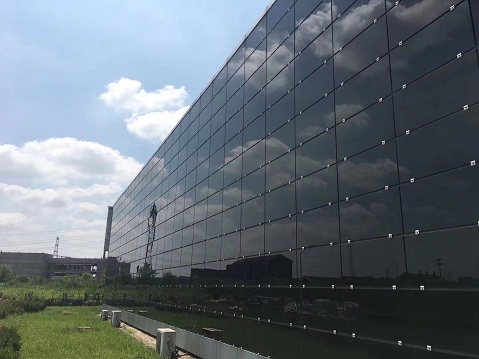
Facade solar panels are photovoltaic (PV) systems designed to be mounted vertically or inclined on building exterior walls and curtain walls. They function both as part of the building envelope and as electricity generators. Because vertical surfaces do not receive as much solar irradiance as roofs, facade systems must be carefully selected to maximize energy yield, building integration, and visual appeal.
Facade solar panels fall into several broad categories:
-
Crystalline Silicon (c‑Si) Solar Panels
-
Thin‑Film Solar Panels
-
Building‑Integrated Photovoltaics (BIPV)
-
Hybrid Solar Facades
-
Transparent & Semi‑Transparent PV
Each has unique advantages and limitations. Let’s examine them one by one.
1. Crystalline Silicon Facade Solar Panels
Overview
Crystalline silicon (c‑Si) panels — including monocrystalline and polycrystalline — dominate the global PV market. They are the most recognizable type, usually seen as rectangular dark blue or black panels.
Features
-
High efficiency: Typically 18%–24% efficiency for monocrystalline panels.
-
Mature technology: Long track record, reliable performance.
-
Rigid form factor: Usually mounted in framed modules.
Pros
-
Superior energy output: Even at suboptimal angles (like building facades), c‑Si panels outperform most alternatives in solar conversion efficiency.
-
Longevity: Proven durability with warranties commonly up to 25 years.
-
Cost‑effective: Global manufacturing scale drives down costs.
Cons
-
Less architectural flexibility: Traditional modules are rigid and visually bulky.
-
Performance varies with orientation: Vertical mounting reduces annual energy yield compared with rooftop placements.
Ideal Use Cases
-
Commercial buildings in high‑solar regions
-
Retrofit projects where cost and efficiency are prioritized over aesthetics
2. Thin‑Film Facade Solar Panels
Overview
Thin‑film solar panels use semiconductor materials such as cadmium telluride (CdTe), copper indium gallium selenide (CIGS), or amorphous silicon (a‑Si). Their manufacturing produces lighter, more flexible PV laminates.
Features
-
Lower production cost per unit
-
Better performance in low light/partial shading
-
Potentially flexible or curved shapes
Pros
-
Architectural versatility: Thin‑film can conform to irregular surfaces, offering more design freedom.
-
Better diffused light performance: Thin‑film panels perform relatively well in shaded or cloudy conditions.
-
Lower temperature sensitivity: Exhibits less performance degradation in high heat.
Cons
-
Lower efficiency: Typical efficiency ranges from 10%–15%, inferior to crystalline silicon.
-
Larger surface area needed: To achieve similar power output as crystalline silicon, more surface area is required — a challenge on facades.
-
Material concerns: Certain thin‑film technologies (like CdTe) use rare or potentially toxic materials.
Ideal Use Cases
-
Architectural projects prioritizing design flexibility
-
Buildings in urban environments with significant shading
3. Building‑Integrated Photovoltaics (BIPV) Facades
Overview
Building‑Integrated Photovoltaics (BIPV) are PV materials that replace conventional building materials. For facades, this means PV is integrated directly into wall elements, glass curtain walls, or cladding systems.
Features
-
Seamless integration: PV replaces facade skin instead of being mounted on top.
-
Multifunctionality: Provides weather protection, insulation, and electricity generation.
Pros
-
Exceptional aesthetics: BIPV systems can be customized with colors, patterns, and finishes that blend with architectural design.
-
Space efficiency: No requirement for additional mounting; the facade itself generates power.
-
Higher property value: BIPV systems can increase building valuation through energy savings and modern appearance.
Cons
-
Higher upfront costs: Custom design and integration elevate costs compared with standard PV modules.
-
Specialized installation: Requires coordination between architects, engineers, and PV installers.
-
Maintenance challenges: Integration into the building envelope can complicate repairs.
Ideal Use Cases
-
High‑end architectural projects
-
Net‑zero and LEED‑certified buildings
4. Hybrid Solar Facade Systems
Overview
Hybrid solar facade systems combine PV technologies with other building systems. One common example is the integration of photovoltaic modules with solar thermal collectors — often referred to as PVT systems (photovoltaic‑thermal).
Features
-
Dual energy output: Produces both electricity and usable thermal energy.
-
Optimized energy performance: Waste heat from PV increases overall system efficiency.
Pros
-
High total energy yield: Electricity and heat generation boosts overall return on investment.
-
Year‑round value: Thermal output can support heating or hot water applications during colder months.
-
Reduced energy demand: Helps buildings lower both electrical and heating loads.
Cons
-
Complex design: Integration requires specialized engineering for thermal capture and distribution.
-
Higher cost: More components and integration work increase initial investment.
-
Potential structural load: Added weight and heat exchange systems may require reinforcement.
Ideal Use Cases
-
Climate‑responsive building designs
-
Facilities requiring significant heating or hot water
5. Transparent & Semi‑Transparent Solar Facade Panels
Overview
Transparent and semi‑transparent solar PV panels represent an emerging category where photovoltaic elements are embedded within glass or polymer facades, providing both daylighting and power generation.
Features
-
Daylight optimization: Allow controlled light transmission.
-
Aesthetically appealing: Suitable for curtain walls and atrium surfaces.
Pros
-
Natural lighting benefits: Enhances occupant comfort and reduces interior lighting loads.
-
Modern architectural aesthetic: Clean, high‑tech appearance.
-
Flexible design: Varied transparency levels for different applications.
Cons
-
Lower efficiency: Transparent PV elements typically have reduced active area compared with opaque PV modules.
-
Special manufacturing: Higher costs due to bespoke production.
-
Performance trade‑off: Balancing transparency with energy production is complex.
Ideal Use Cases
-
Office buildings, commercial complexes, retail centers
-
Façades requiring both natural light and solar energy generation
Comparing Performance Metrics
To better understand how these types stack up, let’s compare them based on several essential metrics:
1. Energy Efficiency
-
Crystalline Silicon: Highest efficiency (18%–24%)
-
Thin‑Film: Moderate (10%–15%)
-
BIPV: Varies by technology, often slightly lower than traditional c‑Si
-
Hybrid: System efficiency is high when combining electricity + heat
-
Transparent PV: Lowest electrical efficiency due to design trade‑offs
2. Architectural Integration
-
Best: BIPV and Transparent PV
-
Moderate: Thin‑Film, Hybrid systems
-
Basic: Standard c‑Si modules
3. Cost
-
Highest: BIPV and Transparent PV
-
Moderate‑High: Hybrid systems
-
Lower: Crystalline Silicon, Thin‑Film
4. Visual Impact
-
Design‑Driven: BIPV and Transparent PV
-
Standard: Thin‑Film
-
Utility‑Focused: Traditional c‑Si
Environmental & Economic Considerations
When planning a facade solar project, several broader factors should be considered beyond technology selection.
Environmental Benefits
All facade solar panels reduce reliance on grid electricity and lower carbon emissions. However, the embedded energy — energy consumed in manufacturing — can vary:
-
Thin‑film panels often require less energy to produce.
-
Crystal silicon manufacturing is energy intensive but yields more power over the life cycle.
Economic Viability
City codes and incentives often influence economic viability. Many regions offer:
-
Feed‑in tariffs
-
Tax credits
-
Net metering for building‑integrated solar systems
These incentives can significantly shorten payback periods, especially for high‑output crystalline silicon or hybrid systems.
Shading & Orientation Challenges
Facade systems face unique challenges:
-
South‑facing walls in the Northern Hemisphere receive more sunlight.
-
East–west facades may capture morning/evening sun but with lower total yield.
-
Shadows from nearby structures reduce output potential.
This makes advanced modeling and simulation essential in facade solar planning.
Design & Installation Considerations
Effective facade solar deployment requires collaboration between architects, engineers, and solar specialists:
Structural Load & Wind Resistance
Facade PV adds weight and wind loads. Structural engineering must ensure:
-
Cladding support
-
Secure anchoring
-
Fire safety compliance
Thermal Performance
PV modules can shade building surfaces and affect heat gain, potentially reducing cooling loads in summer — a worthy side benefit.
Electrical Integration
Facade systems must connect to building electrical systems seamlessly, adhering to electrical codes, safety switches, and possibly grid interconnection.
Choosing the Right Facade Solar Panel: A Checklist
When evaluating which facade solar panel type fits your project, consider:
-
Primary objective: Maximize energy, enhance design, or both?
-
Budget constraints: Are aesthetics worth higher upfront costs?
-
Building orientation & environment
-
Local codes & incentive programs
-
Maintenance access and lifecycle planning
For example:
-
A commercial skyscraper with a focus on aesthetics and sustainability branding might benefit most from transparent PV or BIPV.
-
A warehouse or industrial building with available south‑facing walls could opt for crystalline silicon for affordable, high‑yield energy.
-
A mixed‑use complex in a colder climate seeking both heat and power may choose hybrid solar facade systems.
Conclusion
Facade solar panels are transforming how buildings generate and consume energy. While traditional rooftop PV remains widespread, facade systems open new opportunities in dense urban spaces and architecturally demanding projects.
In summary:
-
Crystalline silicon panels deliver strong efficiency and lower costs.
-
Thin‑film panels offer flexibility and shading resilience.
-
BIPV systems blend design with performance but carry higher costs.
-
Hybrid systems maximize total energy through combined outputs.
-
Transparent and semi‑transparent PV creates light‑filled environments with energy production.
Choosing the “right” type depends on project goals, budget, and design priorities. As technologies evolve and costs decline, facade solar panels will continue to play an increasingly central role in sustainable building design.
http://www.fgnexsolar.com
fgnexsolar -
-
AuthorPosts

- You must be logged in to reply to this topic.