- This topic is empty.
-
AuthorPosts
-
20/11/2026 at 17:15 #13187
A stainless steel stop valve is an essential flow control component in industrial piping systems where reliable shut-off, pressure resistance, and corrosion protection are required. Commonly used in chemical processing, water treatment, oil and gas facilities, power generation, and industrial utilities, this valve regulates or stops fluid flow through the controlled movement of a disc against a stationary seat. Its performance depends on several interconnected factors, including stainless steel grade, pressure rating, sealing structure, internal flow design, and manufacturing accuracy.
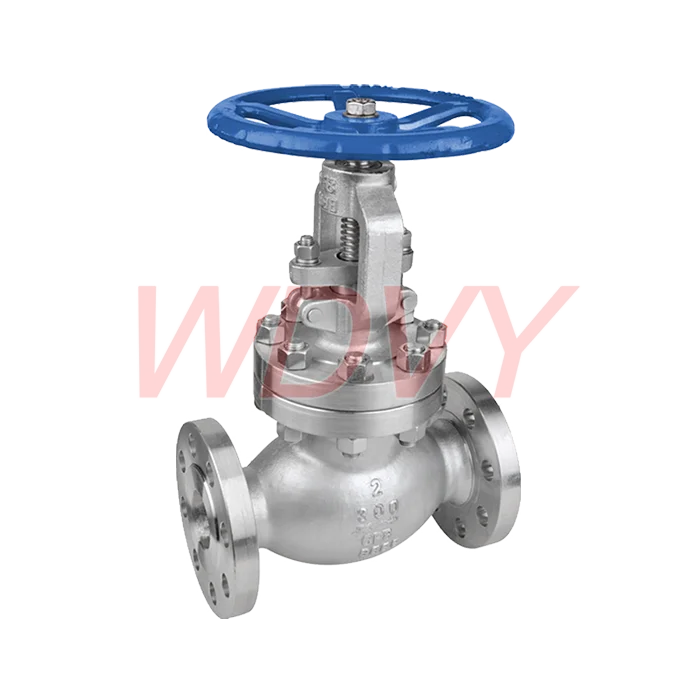
Unlike a simple isolation valve designed primarily for fully open or fully closed operation, a stop valve can also be used for regulating flow under suitable operating conditions. However, its ability to provide reliable service depends on matching the valve structure and material properties to the actual medium, temperature, pressure, and operating frequency. Selecting a stainless steel stop valve based only on nominal diameter or connection size may overlook critical factors that determine service life and sealing performance.
How a Stainless Steel Stop Valve Controls Flow
A conventional stop valve, commonly known as a globe valve, controls fluid flow through the vertical movement of a disc or plug relative to the valve seat. When the handwheel or actuator moves the stem, the disc changes its position, adjusting the opening between the disc and seat. When the disc contacts the seat, the flow passage is closed.
This design provides controlled throttling characteristics compared with many quarter-turn isolation valves. The changing flow area allows operators to adjust flow rates, making the valve suitable for applications that require more than simple on-off control. However, the flow path usually involves changes in direction, resulting in a higher pressure drop than a straight-through gate valve of comparable nominal size under similar conditions.
This difference matters in system design. Where precise flow adjustment and dependable shut-off are priorities, a globe-type stop valve may be appropriate. Where minimizing pressure loss in a fully open pipeline is more important, other valve structures may be worth evaluating. The selection should reflect the system's hydraulic requirements rather than relying on a general assumption that one valve type is suitable for every pipeline.
Stainless Steel Grade and Corrosion Resistance
Material selection is one of the most important considerations when specifying a stainless steel stop valve. Common stainless steel grades include 304 and 316, but their suitability depends on the fluid composition, temperature, chloride concentration, and operating environment.
Grade 304 stainless steel offers good general corrosion resistance in many water and industrial service conditions. It is commonly considered for applications where exposure to aggressive chlorides is limited. Grade 316 stainless steel contains molybdenum, which generally improves resistance to pitting and crevice corrosion in chloride-containing environments. This makes it a frequent consideration for marine-related applications, chemical processing, and certain industrial fluid systems.
However, 316 stainless steel should not be treated as universally corrosion-proof. Highly concentrated chlorides, elevated temperatures, certain acids, and stagnant conditions can still cause corrosion. For more demanding environments, alternative stainless steel grades or specialized alloys may be required. Material compatibility should be confirmed against the actual chemical composition and operating conditions.
It is also important to distinguish the materials used for different valve components. The body, bonnet, stem, disc, and seat may use different materials depending on the design. A valve described as stainless steel does not necessarily mean every internal component is manufactured from the same stainless steel grade. Material certificates and component specifications should be reviewed when traceability and corrosion performance are critical.
Pressure Rating, Temperature and Structural Design
The pressure rating of a stainless steel stop valve determines the pressure and temperature conditions under which it can operate safely. Industrial valves are commonly specified according to standards such as ASME B16.34, with pressure-temperature ratings depending on the material group and applicable design requirements. The nominal pressure class alone does not provide a complete picture because allowable pressure can change with operating temperature.
Valve body wall thickness, bonnet connection design, stem dimensions, and pressure-containing joint integrity all contribute to structural reliability. In demanding applications, the body and bonnet must withstand internal pressure as well as external loads generated by pipeline installation and operation.
Before selecting a valve, users should verify nominal size, pressure class, end connection, design temperature, and applicable manufacturing standard. Flanged connections, threaded connections, and welded ends serve different installation requirements. The connection type should match the pipeline specification and the expected maintenance strategy.
For high-temperature service, thermal expansion and packing performance also require attention. Changes in temperature can affect clearances, stem operation, and sealing materials. A valve intended for ambient-temperature water service should not automatically be selected for high-temperature steam or thermal oil applications without confirming its pressure-temperature rating and component compatibility.
Sealing Performance and Internal Component Design
The sealing structure directly affects leakage control and maintenance requirements. In a stainless steel stop valve, the disc and seat form the primary shut-off interface. Their contact geometry, surface finish, material hardness, and alignment influence sealing performance.
Metal-to-metal sealing is commonly used in industrial conditions involving elevated temperatures or demanding operating environments. Its performance depends on accurate machining and controlled contact between the sealing surfaces. Soft sealing materials may provide different leakage characteristics, but their temperature, pressure, and chemical compatibility limitations must be considered.
Stem sealing is another critical area. The packing assembly prevents process fluid from escaping along the stem during valve operation. Packing material, compression adjustment, stem surface quality, and alignment all affect sealing reliability. In applications involving hazardous or volatile fluids, leakage control around the stem may be subject to specific fugitive-emission requirements.
Frequent operation can also affect wear at the stem threads, disc, and seat. If the valve is used for throttling, flow velocity and pressure conditions around the disc should be evaluated to reduce the risk of erosion, vibration, or unstable operation. Correct sizing is important because an oversized valve may operate near the closed position for extended periods, potentially increasing wear and reducing adjustment precision.
Manufacturing Quality and Inspection Requirements
A stainless steel stop valve requires consistent manufacturing accuracy across its pressure-containing components and internal sealing surfaces. Casting or forging quality, machining tolerances, surface finishing, assembly alignment, and material traceability all influence final performance.
Inspection should be aligned with the applicable valve design and customer specifications. Relevant checks may include dimensional inspection, material verification, pressure testing, shell testing, and seat leakage testing. Standards such as API 598 and relevant international valve standards may be specified depending on the application and contract requirements. The exact test pressure, duration, and acceptance criteria should follow the governing standard and approved technical documentation.
For valves used in critical industrial systems, traceability is particularly important. Material test certificates, inspection records, and pressure test documentation help verify that the delivered product matches the specified configuration. Buyers should also confirm whether special inspection requirements, third-party testing, or project-specific documentation are needed before production begins.
Choosing a Stainless Steel Stop Valve Manufacturer
A reliable manufacturer should be able to support material selection, structural design, machining, assembly, and inspection within a controlled production process. Different industrial applications may require standard stainless steel valves or special material configurations, making manufacturing flexibility and technical coordination important.
Zhejiang Wandong Valve Co., Ltd. is an industrial valve manufacturer with vertically integrated production capabilities across four specialized workshops. Its manufacturing scope includes ball valves, large-diameter gate valves, special stainless steel valves, and a multifunctional workshop producing gate valves, stop valves, check valves, Y-type strainers, and related products. This workshop structure supports manufacturing across different valve categories and provides a production foundation for industrial valve applications.
When evaluating a supplier, customers should confirm the available stainless steel grades, nominal size range, pressure classes, applicable design standards, connection options, inspection procedures, and documentation capabilities. These details help establish whether the manufacturer's production scope matches the technical requirements of the intended pipeline system.
Conclusion
Selecting the right stainless steel stop valve requires more than confirming its material and nominal diameter. Flow characteristics, corrosion resistance, pressure-temperature ratings, sealing structure, connection standards, and manufacturing quality must all be evaluated against actual operating conditions. A properly specified valve can provide controlled flow adjustment, dependable shut-off, and long-term service in demanding industrial environments.
By reviewing technical documentation, verifying material compatibility, and confirming inspection requirements before ordering, users can reduce installation risks and avoid premature valve failure. The most suitable stainless steel stop valve is ultimately the one engineered and manufactured to meet the specific requirements of the pipeline system.
http://www.wdfmvalves.com
Zhejiang Wandong Valve Co., Ltd. -
AuthorPosts

- You must be logged in to reply to this topic.