- This topic is empty.
-
AuthorPosts
-
09/02/2026 at 14:32 #10596
In the rapidly evolving world of modern communication networks, ensuring reliable, efficient, and scalable connectivity is a constant challenge. Traditional wired networks, while stable, are often limited by infrastructure costs and physical constraints. On the other hand, conventional wireless solutions may struggle with interference, coverage gaps, and complex configurations. Amid these challenges, IP Mesh Radio technology has emerged as a transformative solution, enabling organizations to deploy robust, self-healing, and high-capacity networks in a flexible and cost-effective manner.
This article explores the top benefits of using IP Mesh Radio in modern networks and explains why it is becoming an indispensable tool for industries ranging from utilities to public safety, transportation, and smart city projects.
What is IP Mesh Radio?
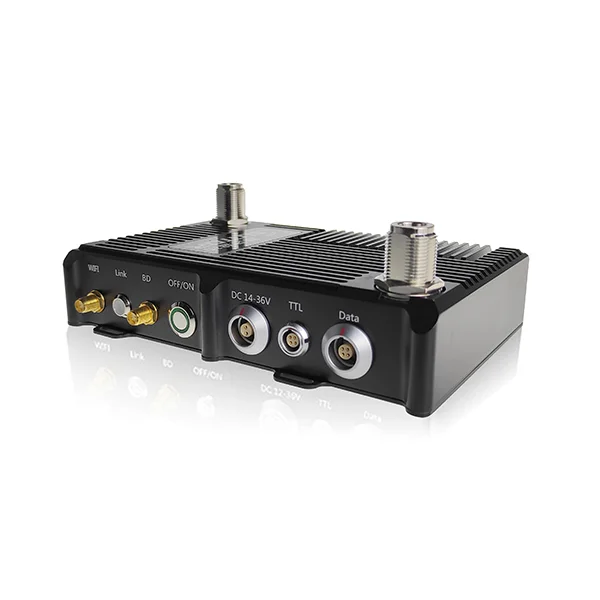
Before diving into the benefits, it is essential to understand what IP Mesh Radio is. Unlike traditional point-to-point or point-to-multipoint wireless systems, IP Mesh Radio operates as a self-organizing network of interconnected radio nodes. Each node communicates with multiple other nodes, forming a mesh topology. This topology enables data to find the most efficient path across the network, automatically rerouting in case of a failure or interference.
IP Mesh Radios operate over standard Internet Protocol (IP), which means they are compatible with existing network protocols and can easily integrate with IP-based devices. The combination of mesh architecture and IP connectivity makes these radios highly reliable, scalable, and ideal for modern network demands.
1. Enhanced Reliability and Self-Healing Capabilities
One of the primary advantages of IP Mesh Radio is its resilient and self-healing nature. In a mesh network, each node is connected to multiple neighboring nodes. This design ensures that if one node fails or a connection is disrupted, data is automatically rerouted through alternative paths.
Traditional wireless networks, such as point-to-point connections, rely heavily on single links. Any disruption can result in significant downtime or data loss. IP Mesh Radio eliminates this single point of failure, providing continuous network availability. This is particularly crucial for mission-critical applications like public safety, emergency response, or industrial automation, where network downtime can have severe consequences.
Moreover, self-healing networks reduce maintenance efforts and operational costs. Network administrators do not need to manually troubleshoot failed links, as the system dynamically adjusts to maintain connectivity.
2. Scalability for Expanding Networks
Another key benefit of IP Mesh Radio is scalability. Expanding traditional wired or wireless networks often involves significant infrastructure costs, including new cabling, switches, and network hardware. In contrast, mesh networks are inherently modular.
Adding new nodes to an IP Mesh Radio network is straightforward. Each new node automatically discovers neighboring nodes, integrates into the network, and begins routing traffic efficiently. This plug-and-play capability allows organizations to scale their networks quickly to meet growing demands.
For industries like utilities, smart cities, or large campuses, scalability is crucial. Networks can start small, covering essential areas, and gradually expand without requiring major redesigns or expensive rewiring.
3. Extended Coverage and Connectivity
IP Mesh Radio excels in extending network coverage, particularly in challenging environments. Since each node communicates with multiple others, signals can hop from node to node, effectively increasing the range of the network without the need for high-power transmitters or extensive infrastructure.
This capability is especially valuable in environments where laying cables is impractical, such as mountainous regions, offshore platforms, large industrial sites, or disaster-affected areas. The mesh topology ensures that even hard-to-reach locations can remain connected, providing seamless communication across extensive areas.
Additionally, IP Mesh Radio networks can penetrate obstacles better than traditional point-to-point radios. By using multiple nodes as intermediate hops, signals can navigate around buildings, trees, and other physical barriers.
4. High Data Throughput and Low Latency
Modern applications, such as video surveillance, real-time monitoring, and industrial automation, require high data throughput and low latency. IP Mesh Radios are designed to meet these demands.
Advanced mesh radios support high-bandwidth communication, allowing simultaneous data streams from multiple devices without congestion. The dynamic routing capability of mesh networks ensures that traffic takes the fastest available path, minimizing delays.
This makes IP Mesh Radio networks suitable for real-time applications like live video transmission, VoIP communication, SCADA systems, and emergency response operations, where delays or dropped packets can compromise performance or safety.
5. Cost-Effective Deployment
Implementing a large-scale network with traditional wired infrastructure can be prohibitively expensive due to cabling, trenching, and maintenance costs. IP Mesh Radio offers a cost-effective alternative.
Mesh networks require fewer physical connections and less manual labor to deploy. In addition, their self-healing and adaptive nature reduces operational expenses by minimizing downtime and maintenance needs.
For example, in a smart city project, deploying IP Mesh Radios to connect traffic lights, streetlights, sensors, and cameras can be far more economical than running fiber-optic cables to each device. The cost savings are even more pronounced in remote or difficult-to-access areas.
6. Simplified Network Management
Managing traditional networks, especially those with mixed wired and wireless components, can be complex and time-consuming. IP Mesh Radio networks simplify management through centralized monitoring and automated routing.
Network administrators can configure and monitor the entire mesh network from a central location. Intelligent routing algorithms ensure optimal traffic flow, while network health metrics provide real-time insights into performance and potential issues.
Some advanced IP Mesh Radio systems even feature cloud-based management, allowing administrators to access network data remotely. This reduces the need for on-site visits and enhances overall operational efficiency.
7. Robust Security Features
Security is a top concern for modern networks, particularly when sensitive data is transmitted. IP Mesh Radios incorporate multiple security measures to protect against unauthorized access and data breaches.
Most systems support strong encryption protocols, such as AES-256, to safeguard data in transit. Additionally, network authentication, secure key management, and intrusion detection mechanisms help prevent unauthorized devices from joining the network.
This combination of encryption, authentication, and network monitoring ensures that IP Mesh Radio networks are secure and compliant with industry standards, making them suitable for critical applications in government, healthcare, energy, and industrial sectors.
8. Flexibility and Adaptability
IP Mesh Radios are highly flexible and adaptable, capable of supporting diverse applications and devices. Because they use standard IP protocols, these radios can integrate with existing IT infrastructure, IoT devices, and industrial control systems.
Organizations can deploy IP Mesh Radio networks in a variety of scenarios, from temporary events to permanent installations. The network automatically adapts to changes in topology, environmental conditions, or device locations, providing reliable connectivity regardless of the situation.
This flexibility is particularly valuable for organizations with dynamic operational requirements, such as emergency services, construction projects, or large-scale events, where network conditions and demands may change frequently.
9. Support for Redundant and Critical Applications
Many modern industries require redundant and highly available networks. IP Mesh Radios are ideal for such scenarios due to their multi-path routing and self-healing capabilities.
For instance, in power grid monitoring or oil and gas pipelines, continuous communication is critical. Any network failure can disrupt operations, cause financial losses, or even endanger human safety. IP Mesh Radio networks provide built-in redundancy, ensuring that communication remains uninterrupted even if multiple nodes fail or environmental conditions deteriorate.
By enabling reliable, redundant connections, IP Mesh Radios reduce operational risk and improve overall system resilience.
10. Future-Proof Technology
Finally, IP Mesh Radio is a future-proof solution for modern networking needs. As networks evolve to support more IoT devices, smart sensors, high-definition video, and other data-intensive applications, the demand for flexible, scalable, and reliable connectivity will continue to grow.
Mesh radio technology, combined with IP compatibility, ensures that networks can adapt to future requirements without requiring a complete overhaul. Organizations can upgrade individual nodes, add capacity, or expand coverage seamlessly, protecting their investment in the long term.
Moreover, many IP Mesh Radio systems support integration with emerging technologies, such as 5G, LTE, and edge computing, further enhancing their relevance for next-generation networks.
Conclusion
IP Mesh Radio technology is transforming the way organizations design, deploy, and manage modern networks. Its self-healing architecture, scalability, extended coverage, high throughput, cost-effectiveness, simplified management, robust security, adaptability, redundancy, and future-proof design make it an ideal solution for a wide range of applications.
From smart cities and utilities to industrial automation and public safety, IP Mesh Radios provide the reliability, performance, and flexibility that modern networks demand. As connectivity requirements continue to grow, adopting IP Mesh Radio technology is not just a strategic advantage—it is becoming essential for organizations seeking robust, efficient, and future-ready network infrastructure.
Investing in IP Mesh Radio networks allows organizations to build resilient and scalable systems, reduce operational costs, and stay ahead in an increasingly connected world. In an era where network reliability is mission-critical, IP Mesh Radios offer a practical, effective, and forward-thinking solution.
http://www.suntor.com
suntor -
AuthorPosts

- You must be logged in to reply to this topic.